The Industry's Assumption About Aging Fleets
For decades, the maritime industry has treated aging vessels primarily as a replacement problem. While replacement is sometimes necessary, our experience at EBDG shows that age itself is rarely the primary driver of operational instability.
Vessels can remain commercially viable well beyond their original design life when maintenance planning, data discipline, and repair predictability are actively managed.
In contrast, poor maintenance planning leads to downtime, schedule disruption, and cost volatility regardless of vessel age or class.
Classification societies have reinforced this approach through programs that emphasize condition-based assessment and maintenance planning over age-based assumptions. Programs such as ABS's Condition Assessment Program (CAP) reinforce this shift by focusing on condition and maintenance maturity not age as the true indicators of asset viability.
This aligns closely with what we've observed while working with vessel owners and operators across a wide range of fleets and operating environments.
The vessels facing the greatest challenges are not always the oldest vessels. More often, they are vessels operating within maintenance programs that have failed to evolve alongside changing operational demands, equipment performance, and lifecycle realities.
Aging fleets do not fail because they are old.
They struggle when the systems used to manage them no longer reflect operational reality.
Predictability Is the Real Asset
As vessels age, maintenance requirements naturally evolve. Equipment performance changes, operational demands shift, components become obsolete, and historical maintenance intervals no longer align with real world operating conditions.
What often begins to erode is not the vessel itself, but predictability.
Unexpected failures increase. Yard periods become harder to forecast. Procurement timelines slip. Confidence in schedules and budgets declines. The most successful operators recognize that predictability is an asset that must be actively managed and protected. Research across maritime, transportation, and defense industries consistently demonstrates that maintenance maturity, rather than asset age, is often the primary driver of long-term cost stability and operational availability.
In our work with operators, this loss of predictability is often the earliest signal that maintenance strategy not equipment is falling behind operational reality.
The Challenge Isn't Maintenance, it's Maintenance Strategy
One of the most common misconceptions surrounding aging fleets is that maintenance programs eventually stop working. The challenge is usually something different.
The issue is rarely that planned maintenance has failed. More often, maintenance programs have not evolved at the same pace as the vessel. Organizations continue applying strategies developed years earlier without adjusting for changing operating conditions, equipment performance, equipment obsolescence, and evolving operational priorities.
The most effective operators do not view maintenance as a checklist of tasks to be completed. They view it as a planning system that supports vessel availability, operational reliability, and long-term cost control.
As fleets age, successful operators continuously evaluate:
Which work must occur immediately
Which work can be bundled
Which systems create the greatest risk
Which investments improve predictability
At EBDG, we often help operators structure these decisions into repeatable planning frameworks that align maintenance activity with operational priorities.
Why Yard Periods Become More Important as Fleets Age
As vessels mature, maintenance planning becomes less about individual repairs and more about managing vessel availability. Every day a vessel is unavailable carries a measurable operational and financial impact, making predictability a critical component of fleet performance.
Operators who consistently maintain reliable aging fleets approach yard periods strategically by:
Separating must do work from can defer work.
Bundling maintenance activities across systems to avoid repeat dockings.
Forecasting major lifecycle events years in advance.
Aligning maintenance schedules with operational demand.
Studies have shown that long range maintenance planning can reduce downtime variability, even assets age. In our experience, improved planning discipline often has a greater impact on operational predictability than the age of the vessel itself. A rolling multiyear maintenance forecast, even when developed manually, can provide valuable insight into future resource requirements, operational constraints, and lifecycle risk.
Better Decisions Start with Better Data
Many operators assume maintenance improvement begins with software. It begins with information.
One of the more common mistakes we see are that organizations delay maintenance improvements because they believe sophisticated digital systems must be in place before meaningful progress can occur. While technology can certainly provide value, some of the most effective maintenance programs are built on simple but disciplined practices: consistent failure reporting, reliable maintenance records, labor tracking, and documentation that explains not just what was done, but why it was necessary.
The objective is not simply to collect feedback. The real objective is to use the information gathered to make informed decisions, strengthen communication, and create meaningful improvements across the organization.
Over time, maintenance history has become one of the most valuable tools available to fleet operators. It provides insight into recurring failure patterns, equipment reliability, lifecycle costs, and future maintenance requirements. More importantly, it improves an organization's ability to forecast, prioritize investments, and make informed operational decisions.
In our experience, data discipline has a far greater impact on maintenance program effectiveness than software selection alone. Technology can accelerate progress, but it cannot replace the processes, accountability, and organizational commitment required to create long term predictability.
Technology Should Support the Strategy
As maintenance programs mature, digital platforms can provide significant value by improving visibility into maintenance history, equipment performance, and reliability trends. Tools such as Helm CONNECT help standardize maintenance records and planning activities, while platforms such as IO Currents support condition-based monitoring and the early identification of developing equipment issues.
When implemented well, these technologies can help organizations transition from traditional time-based maintenance toward more proactive, reliability centered approaches.
However, successful operators do not allow software to define their maintenance strategy. They establish the maintenance logic first and then select tools that support the needs of their operation.
We regularly help organizations define this maintenance logic before selecting tools, ensuring technology supports decisions instead of driving them.
Technology should support the strategy. It should not become the strategy.
Not Every Failure Deserves Equal Attention
A common challenge within aging fleets is treating all equipment as equally important. Some failures create minor inconveniences while others result in operational disruption, safety concerns, regulatory exposure, or significant secondary damage.
The most effective operators evaluate maintenance priorities through the lens of operational consequence. They continually ask:
What failures immediately impact operations?
What failures create secondary damage?
What failures introduce regulatory or safety exposure?
What failures are difficult or costly to recover from?
Reliability Centered Maintenance (RCM) principles consistently demonstrate that consequence-based prioritization is one of the most effective ways to control maintenance costs without increasing operational risk. This approach often reveals that a significant portion of maintenance effort is being applied to systems that contribute little to overall fleet reliability.
The objective is not to perform more maintenance. The objective is to perform the right maintenance, at the right time, on the systems that matter most.
What Predictability Makes Possible
The maritime industry has always focused on vessels, yet the long-term success of an aging fleet is rarely determined by the vessel itself. More often, it is determined by the systems used to manage it.
The operators that consistently succeed are not necessarily those with the newest assets. They are the organizations that have learned how to create predictability in an environment where uncertainty naturally increases over time.
Research, classification society guidance, and operational experience continue to point toward the same conclusion: maintenance maturity has a greater influence on long term performance than asset age alone.
Aging fleets do not struggle simply because they are old. They struggle when the systems used to manage them no longer reflect operational reality.
Planned maintenance, applied intentionally and strategically, remains one of the most effective tools available for controlling cost, protecting availability, and extending the value of fleet investments.
Every fleet faces unique operational challenges, and there is no one-size-fits-all maintenance strategy. Whether you're planning a major life extension, evaluating long-term maintenance priorities, or looking to improve fleet reliability, developing a more predictable maintenance framework can significantly reduce operational risk and lifecycle costs.
At Elliott Bay Design Group (EBDG), we work with vessel owners and operators to evaluate fleet condition, prioritize maintenance investments, and develop practical strategies that support long-term operational performance. If you're looking to improve the predictability of your maintenance program, we'd welcome the opportunity to start the conversation.
Meet the Author
Robert Ekse
President | Elliott Bay Design Group
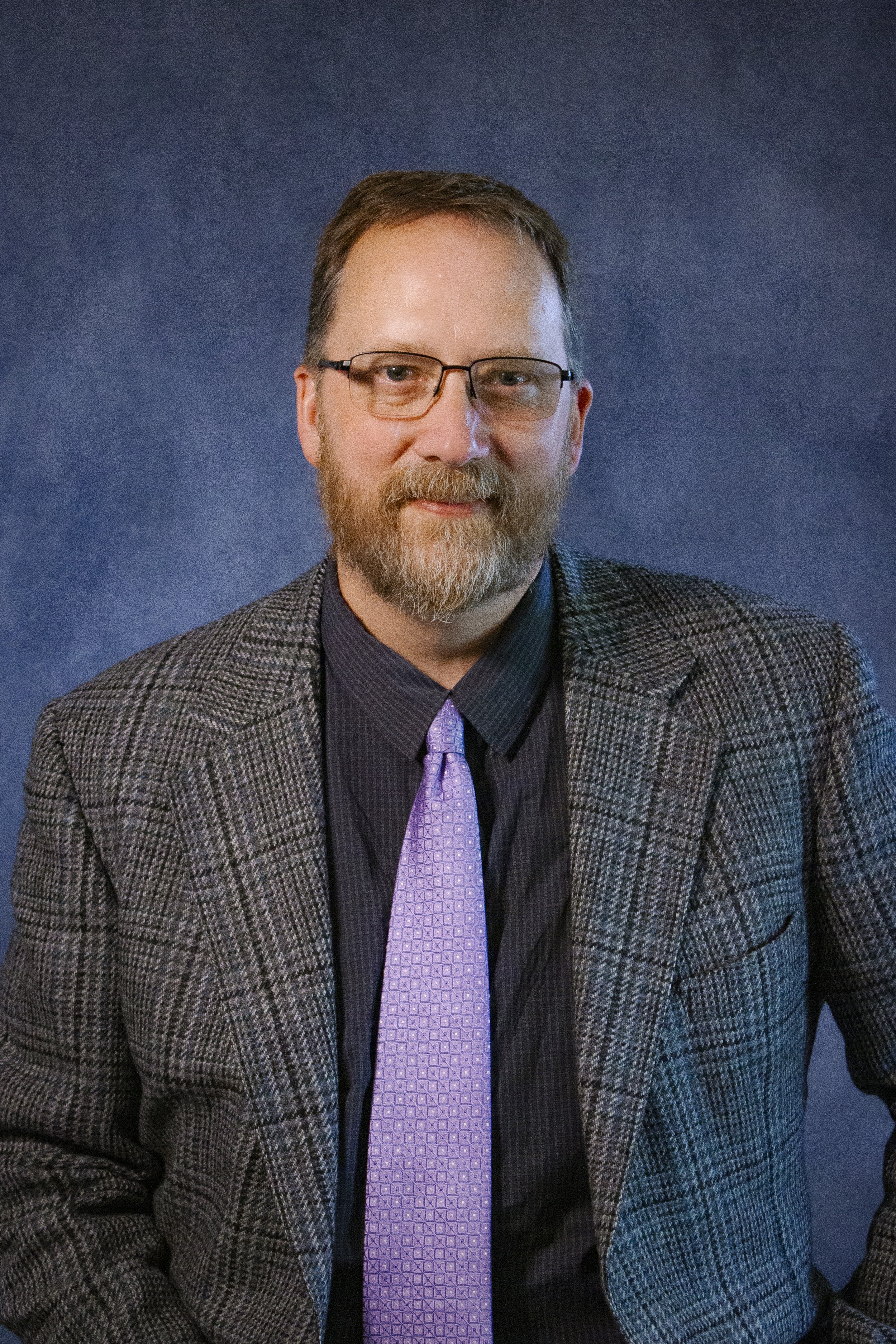
Robert Ekse is President of Elliott Bay Design Group (EBDG) and has more than 35 years of maritime industry experience. He specializes in vessel design, fleet modernization, lifecycle planning, and marine engineering for commercial, government, and passenger vessels. Robert works closely with vessel owners, operators, and shipyards to solve complex engineering challenges and improve long-term fleet performance. He is passionate about developing practical, innovative solutions that enhance reliability, operational efficiency, and lifecycle value.