
Behind the Scenes: Aluminum Catamaran Research Vessel Design Process
Come behind the scenes with us as our marine designers develop an aluminum catamaran research vessel concept from first idea to final rendering. This project started as a simple sketch and evolved into a refined visual story that helps our team and our clients see what is possible long before steel or aluminum is ever cut.
Phase 1: It All Starts with a Sketch
Every concept begins with a pencil and a blank page.
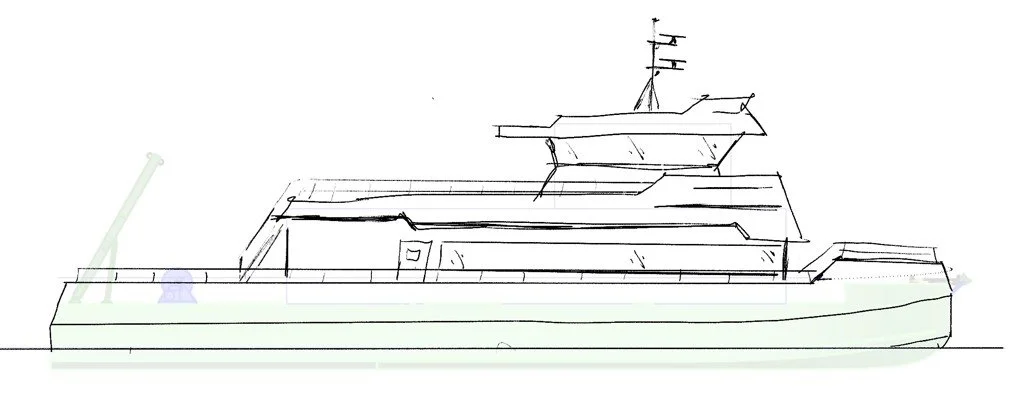
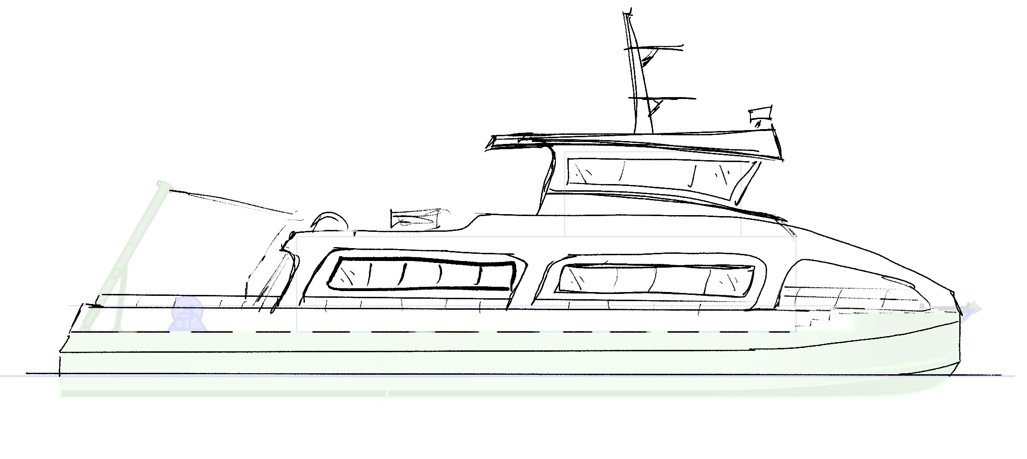
For this vessel, we started with a clear idea of the mission and took inspiration from a previous research vessel designed by Coastwise Engineering. We used that proven platform as a reference, then explored how we could refresh and update the above styling to better match the look and feel we had in mind.
The result of this phase was two hand drawn sketches that captured different options for the vessel’s profile and character.
Phase 2: From Sketch to Basic Modeling
Next, we moved from paper to pixels.
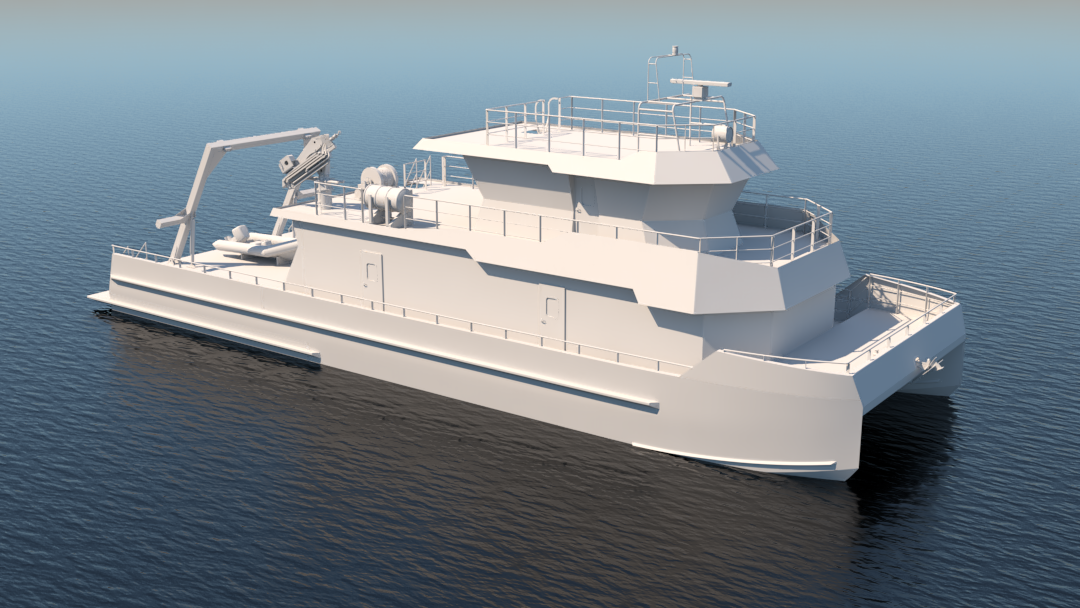
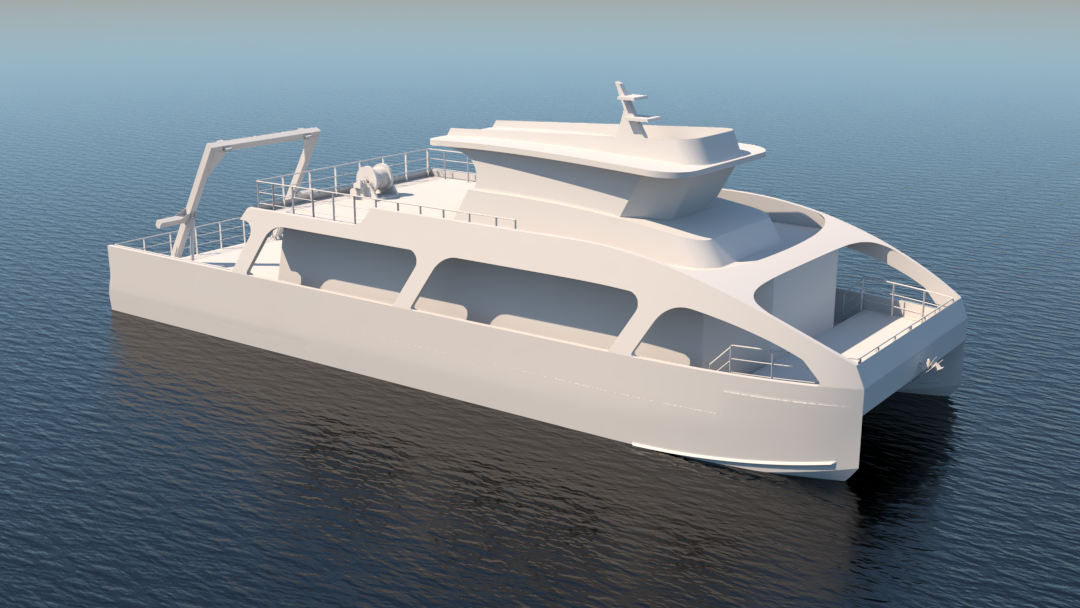
Using the selected sketches as our guide, we built simple 3D models that translated the hand drawn lines into basic hull and superstructure geometry. At this stage the focus is on overall form, function, and how the vessel will sit in the water.
By the end of this phase, we had two 3D concept models that allowed us to decide which direction to develop further.
Phase 3: Color, Styling, and Design Refinement
With the models in place, we chose to move forward with Sketch 1 as the primary concept. This is where the vessel really starts to come to life.
Our designers experimented with color palettes, striping, and other styling details that support the research and education mission. The goal was to create a look that feels modern, purposeful, and aligned with the operator’s brand and environment.
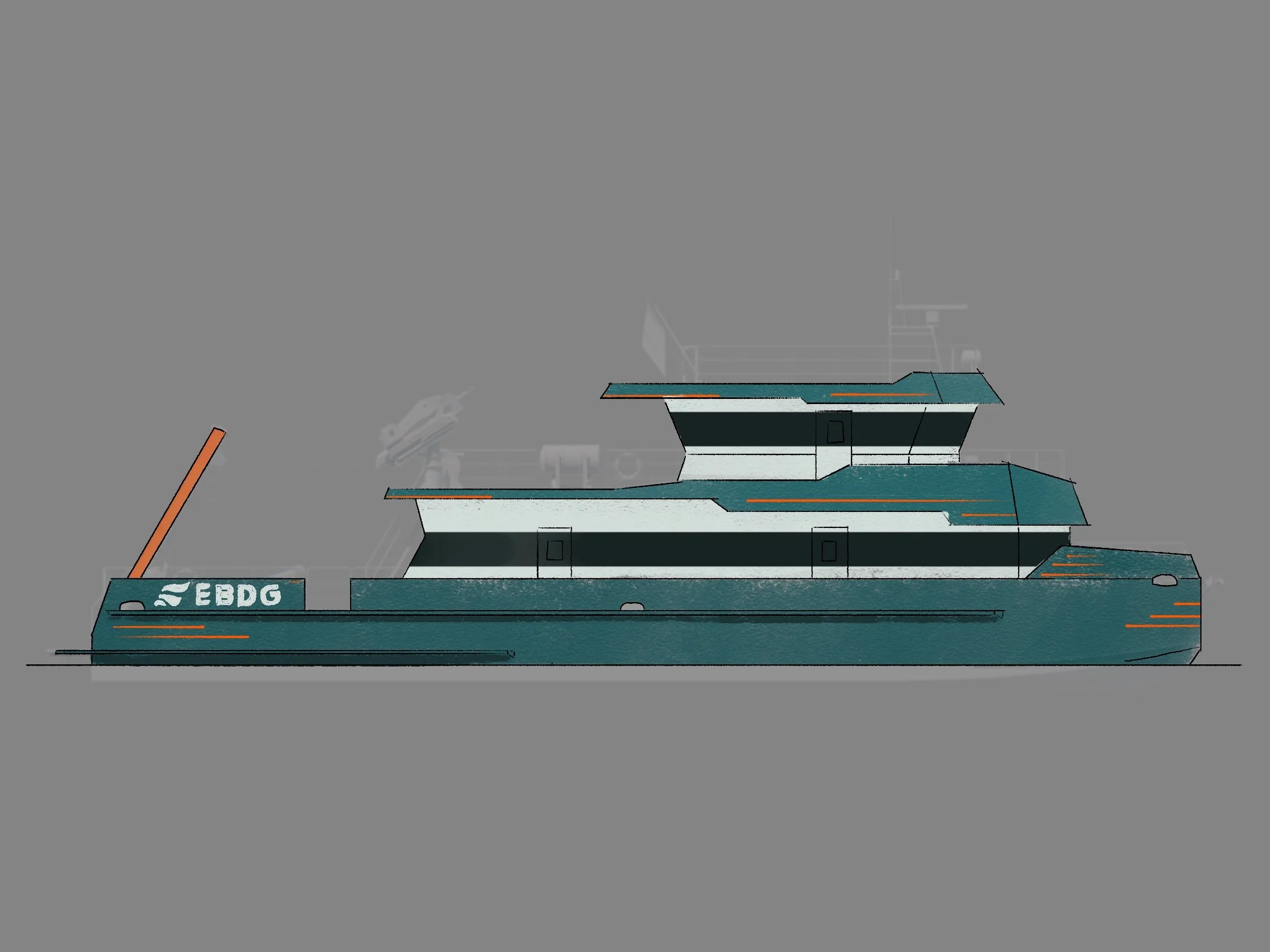
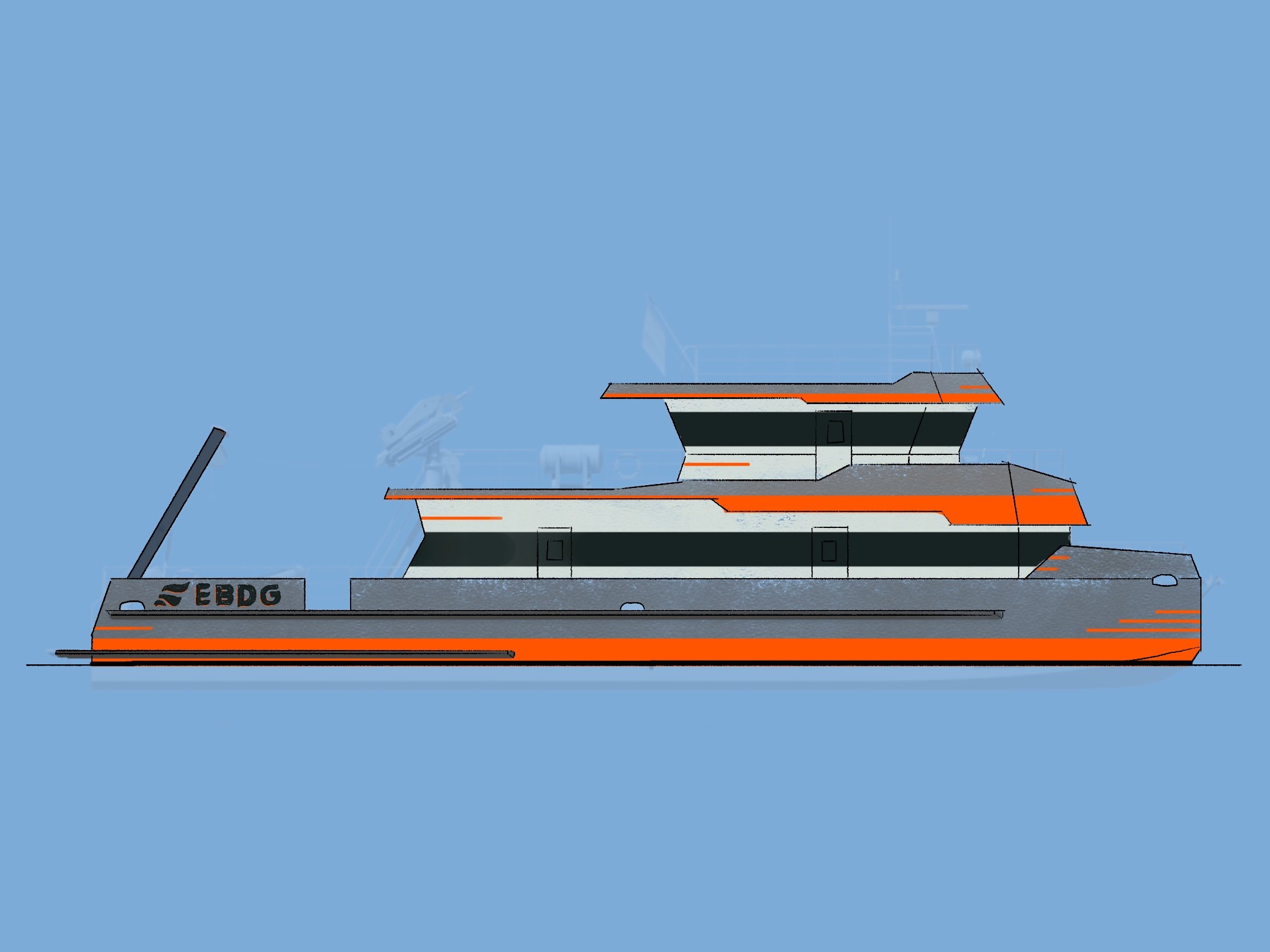
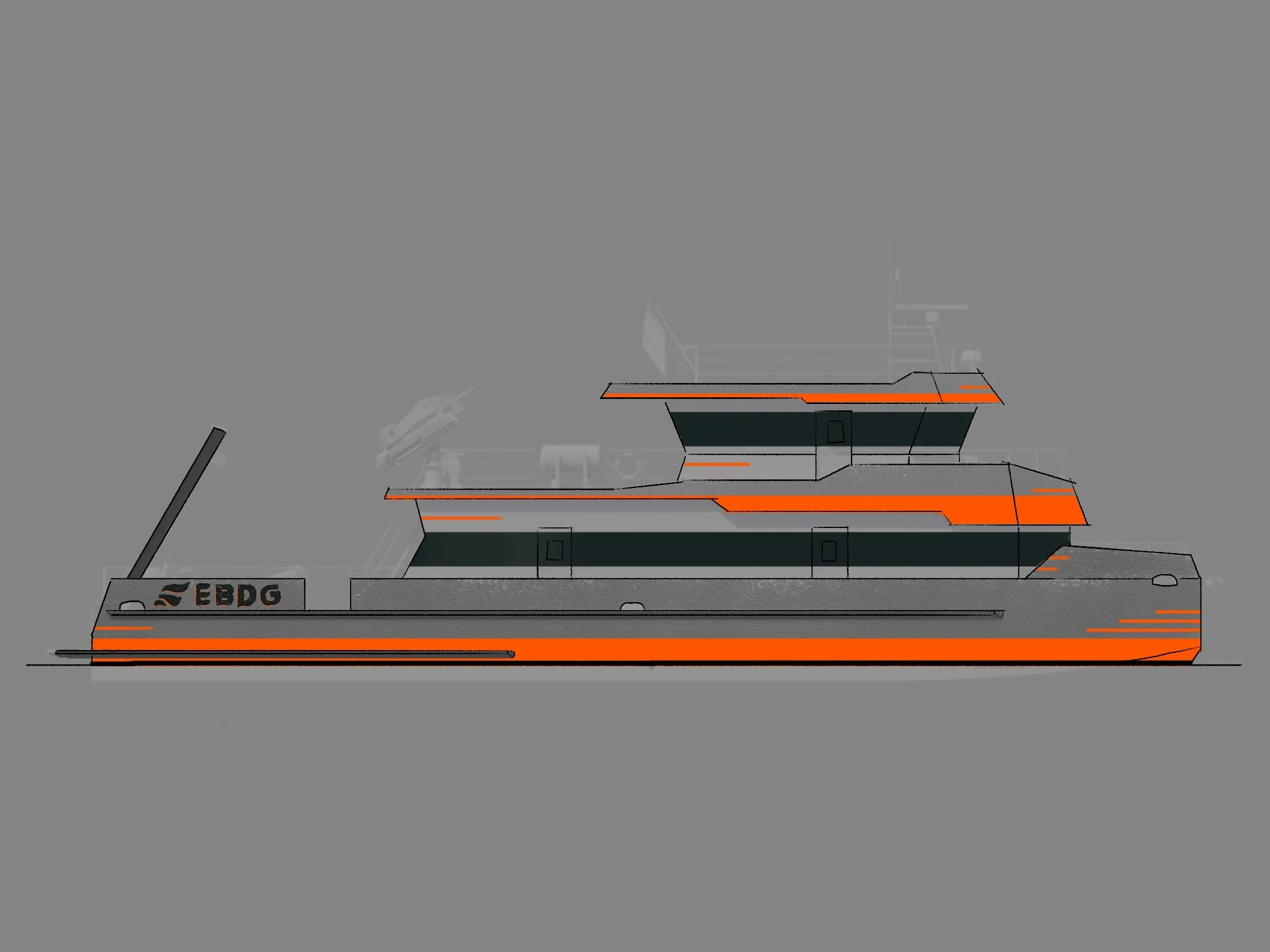
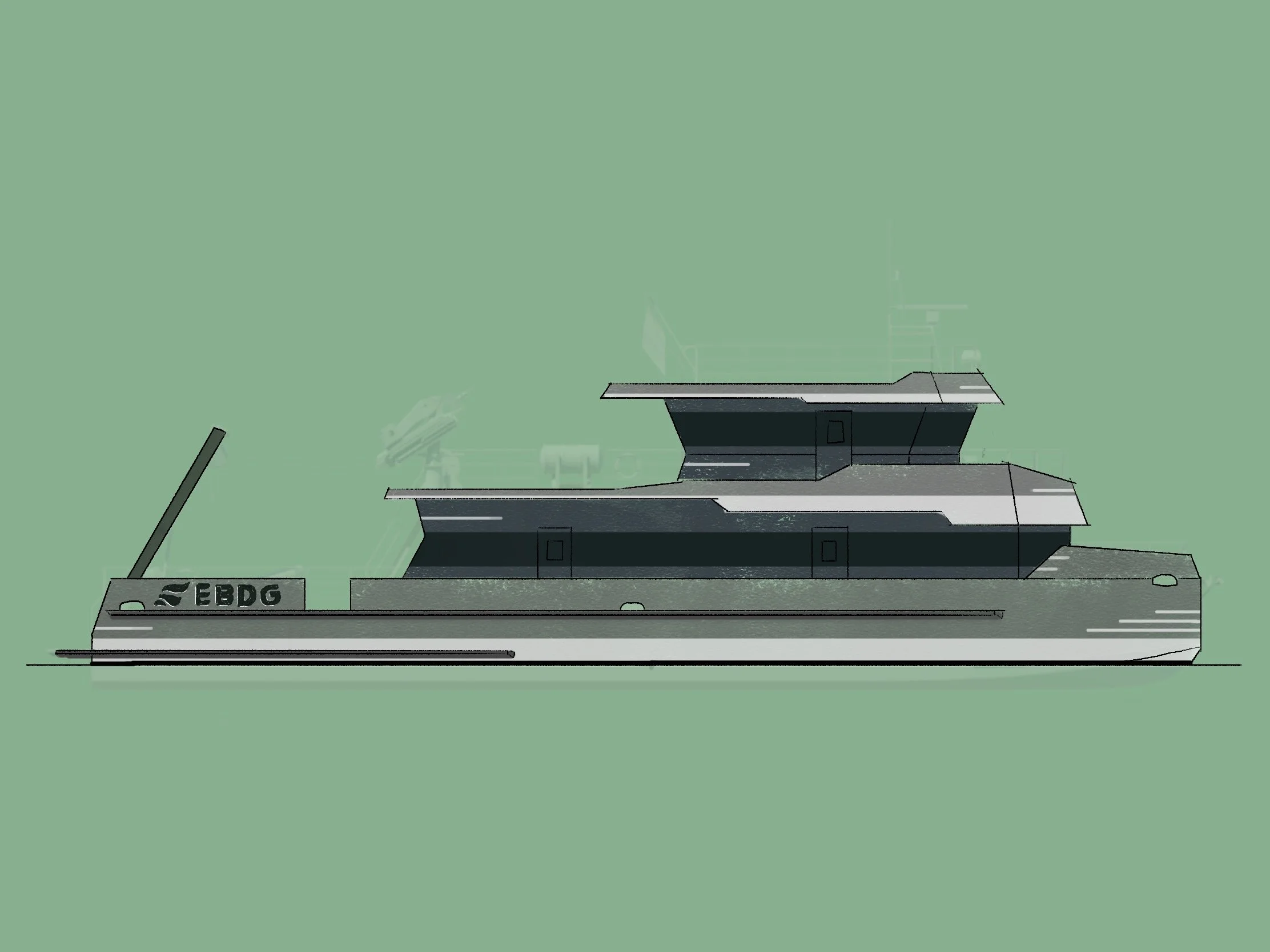
Phase 4: Full Concept Modeling
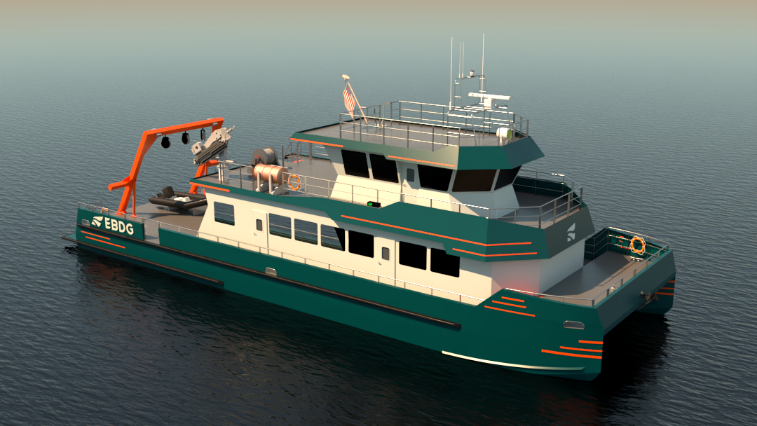
Once the color direction was set, we developed a more complete 3D concept model.
Here, we applied the chosen color scheme across the vessel. The model became a more realistic representation of how the catamaran might look in service, from profile views to perspective angles.
This full concept model became the foundation for all the final visualizations.
Phase 5: Real World Renderings and Team Review
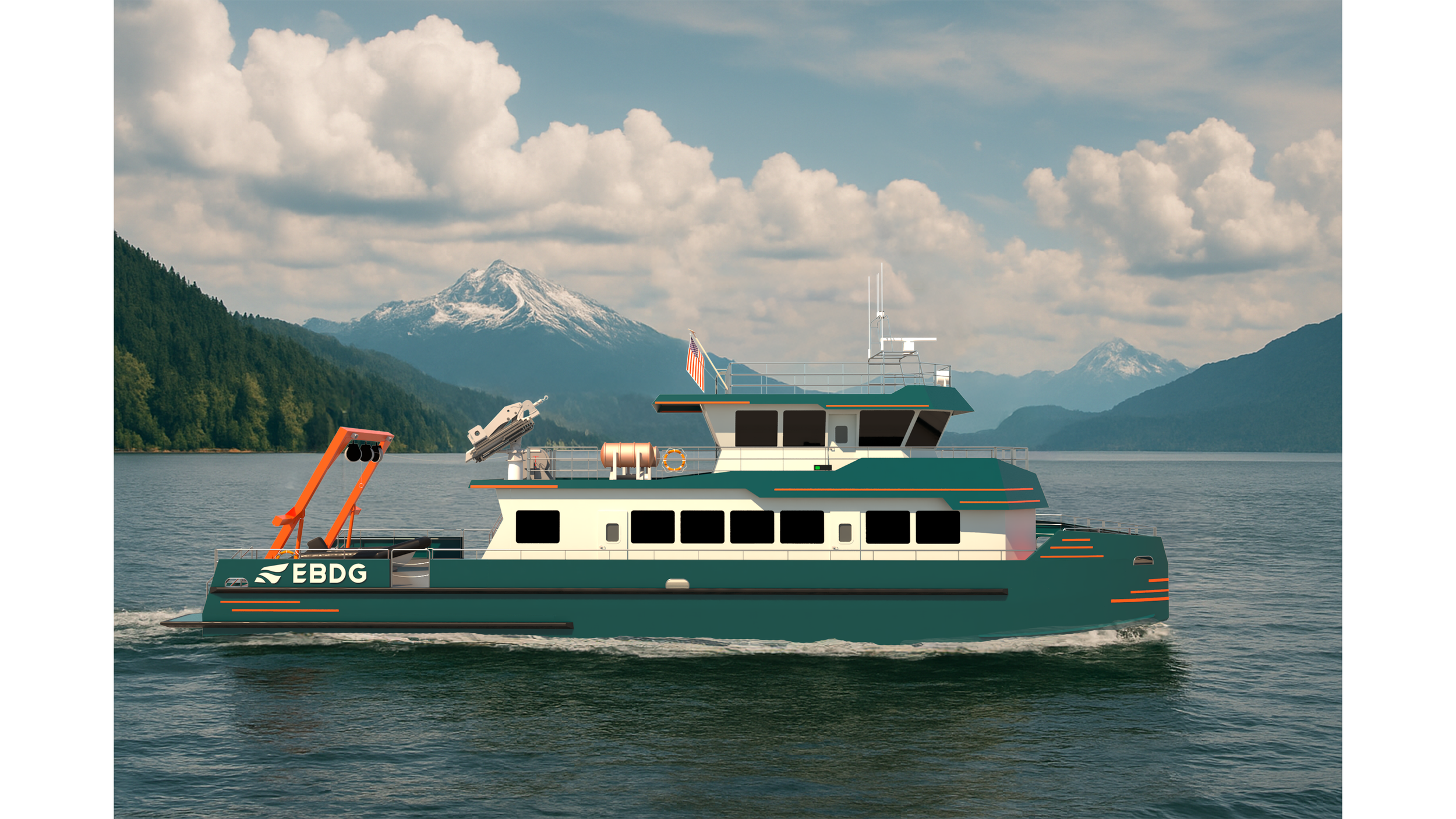
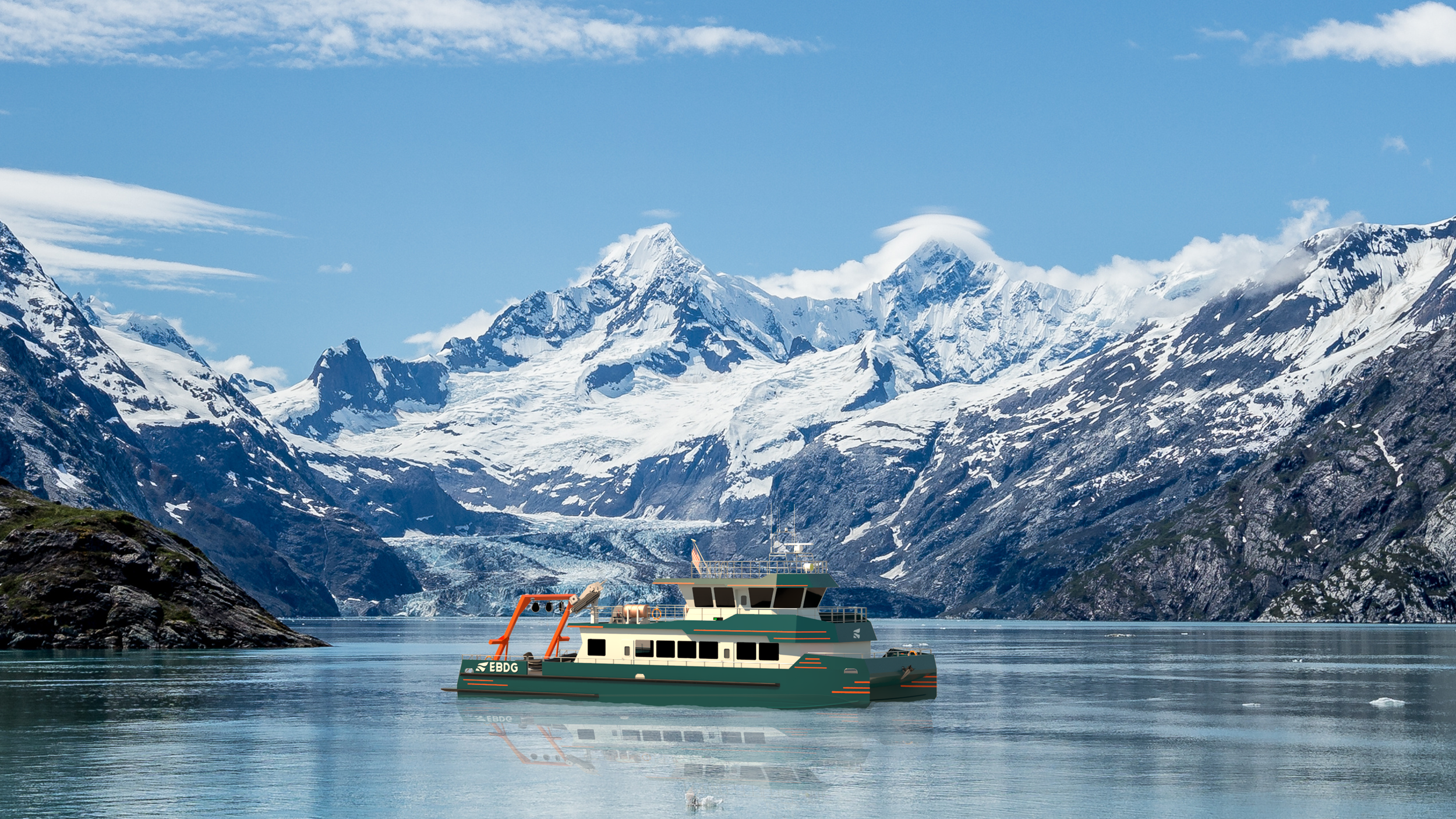
In the final phase, we placed the vessel into real world scenes.
By inserting our 3D model into a real waterfront photo, we could better visualize scale, presence, and how the vessel would interact with its environment. These renderings help everyone imagine real operations, passengers on board, and day-to-day use.
We shared these images with our internal team, collected feedback, made final adjustments, and arrived at a set of concept renderings ready to present.
From first sketch to final rendering, this concept design process helps our clients see what is possible long before a full design package is created. These early visuals support better conversations, clearer expectations, and more confident decisions about what to build next.
By visualizing how a vessel might look and operate in the real world, we can align stakeholders, explore options, and de-risk the next phase of design and construction. It is a great way to test ideas before committing to a final direction.
If your organization is interested in exploring new vessel concepts and you would like a team to guide you from idea to visualization, reach out so we can get started on your next project.